Your roof is not just the top cover of your house. It is the shield that protects everything inside from rain, sun, wind, and storms. After the rainy season, this shield faces the most stress. Water, dirt, and organic growth collect and slowly weaken the surface. The longer these remain, the more damage they create.
Many property owners ignore the roof until leaks appear or shingles start falling off. By that time, the repair cost is high. But there is a smarter way. Scheduling a roof cleaning after the rainy season keeps the roof strong, prevents hidden problems, and saves money. It is a small step that protects both the property and the wallet.
How Rainy Season Affects Roofs
Rain is water, and water means moisture. Moisture is the starting point of many roofing issues. When rain falls, it does not just wash away. Some of it stays behind. Small pools form on flat areas. Dirt sticks between shingles. Leaves and branches pile up in gutters. This buildup creates the perfect environment for moss, algae, and mildew.
Over weeks and months, these small problems grow bigger. Algae spread across shingles, making them dark and weak. Moss roots burrow into the surface, lifting shingles and letting water slip inside. Gutters overflow and push water down walls or into the foundation. What started as rain now becomes roof rot, leaks, and structural risk.
The Risks of Not Cleaning After the Rainy Season
Delaying roof cleaning seems harmless at first, but it creates costs later. Small leaks develop and spread across ceilings. Shingles crumble, leaving open spots. Gutter blockages lead to water soaking the siding and even the base of the building. Mold spreads inside the attic, creating health risks for the family.
When these issues add up, the cost is much higher than a simple cleaning. A roof replacement is one of the biggest expenses for a property owner. A clogged gutter can even damage the foundation, which is even more costly. Ignoring the roof is like ignoring your health. The longer you wait, the more painful and expensive the treatment becomes.
Why Scheduling Roof Cleaning After the Rainy Season Saves Money
Preventing Expensive Repairs
Roof cleaning removes the debris and growth before they cause permanent harm. A roof leak may cost thousands to repair, while a cleaning session costs only a small fraction. Removing moss and algae on time prevents shingle rot. Clearing gutters stops water overflow. Simple cleaning prevents the need for patching leaks, replacing broken shingles, or fixing ceilings inside the house.
Extending the Life of the Roof
Roofs are designed to last twenty to fifty years, depending on material. But when dirt, water, and moss sit too long, that lifespan shrinks fast. Moss lifts shingles, water seeps underneath, and rot starts eating the structure. By cleaning after each rainy season, the roof gets a fresh start. Shingles remain strong and sealed. Tiles stay tight in place. A roof that could fail in 15 years now lasts 25 or more with good care.
Improving Energy Efficiency
A dirty roof traps heat. Algae and dark streaks absorb more sunlight, making the house hotter in summer. This forces the air conditioner to work harder and raises energy bills. A clean roof reflects sunlight better, keeping the home cooler and reducing monthly energy costs. It is another way cleaning saves money.
Protecting Property Value
A house with a clean roof looks cared for and strong. A house with a stained, damaged roof looks old and neglected. Buyers notice this right away. Even if you are not planning to sell soon, keeping your roof clean protects the value of your property. Curb appeal is more than fresh paint; it starts at the top.
Professional vs. DIY Roof Cleaning
Cleaning the roof yourself sounds like a way to save money, but it often costs more in the long run. Roofs are slippery when wet, and falls are a real danger. Using the wrong pressure washer setting can strip shingles or crack tiles. Chemicals not meant for roofing can stain or weaken surfaces.
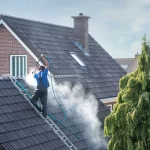
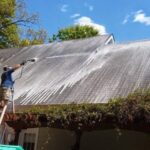
Professional roof cleaners use the right tools and methods for each roof type. They use soft washing systems that clean without damage. They are trained to handle moss, algae, and clogged gutters safely. They also carry insurance, which protects you from accidents. Paying for a professional may cost more upfront than DIY, but it prevents accidents and roof damage that can cost much more.
The Best Time to Schedule Roof Cleaning
The rainy season is when the roof collects the most dirt and moisture. That is why the perfect time to schedule a cleaning is right after the rainy season ends. At that point, the debris is fresh, the algae have just started to grow, and moss has not yet spread too deep. Cleaning now stops the cycle before it gets worse.
Some property owners also schedule a second cleaning in fall to clear leaves before winter snow. This keeps gutters open and prevents ice dams. A simple plan of once or twice a year is enough to keep a roof in healthy condition for decades.
Detailed Table: Cleaning vs. Not Cleaning After the Rainy Season
| Factor | With Roof Cleaning After the Rainy Season | Without Roof Cleaning | Long-Term Impact |
| Roof Condition | Clean, dry, debris-free, shingles intact | Dirty, damp, moss and algae growth | Clean roof lasts 20–30% longer |
| Repairs Needed | Rare, only minor upkeep | Frequent leaks, broken shingles, ceiling stains | High repair bills and early replacement |
| Energy Costs | Lower bills, better reflection of sunlight | Higher bills, roof absorbs heat | Continuous rise in cooling costs |
| Gutter Health | Open flow, no water backup | Clogged, overflow, water damage to walls | Foundation cracks, siding damage |
| Home Safety | Strong roof, dry attic, no mold | Water seepage, attic mold, slip hazards | Risk to health and structure |
| Property Value | High resale value, better curb appeal | Lower resale, unattractive roof | Loss of thousands in value |
| Cost Over Time | Small cleaning fee, big savings | High repair costs, early replacement | Cleaning saves thousands |
This table shows the clear difference. Cleaning is a small, regular investment. Skipping it leads to constant repair bills, energy waste, and reduced property value.
Conclusion
Scheduling a roof cleaning after the rainy season is not just about looks. It is about real savings and real protection. Cleaning prevents costly repairs, keeps shingles strong for decades, lowers energy bills, and protects property value. It is a simple step that costs little but saves thousands over the life of a roof.
Instead of waiting for leaks, stains, or broken shingles, act at the right time. The rainy season may leave behind dirt and damage, but one cleaning session can restore your roof. Protect your home, protect your family, and protect your budget. The smartest money you spend on your house is often the money you spend on maintenance starting with your roof.