
A fence serves as both a protective barrier and a key part of a property’s curb appeal. Whether constructed from wood, vinyl, PVC, composite materials, or metal, fences are continuously exposed to harsh environmental conditions. Rain, sunlight, dirt, mold, algae, and airborne pollutants gradually affect their appearance and structural integrity.
Over time, neglecting routine maintenance can lead to discoloration, mildew growth, surface deterioration, and costly repairs. Professional Fence Cleaning Services—often referred to as fence washing, fence power washing, or exterior fence maintenance—help restore a fence’s appearance while protecting the material underneath.
This guide explains how professional cleaning fence solutions work, why they are important, and how regular maintenance can significantly extend the lifespan of your fencing investment.
Why Fence Cleaning Becomes Necessary
Fence damage rarely happens overnight. Instead, it develops gradually through continuous exposure to environmental elements.
Moisture becomes trapped within surfaces, dust accumulates over time, and organic growth such as mold and algae begins to spread. These issues often go unnoticed until the fence starts looking aged, stained, or weathered.
Routine cleaning fence surfaces helps prevent minor cosmetic issues from developing into major structural concerns. By removing contaminants early, homeowners can maintain both the appearance and durability of their fencing.
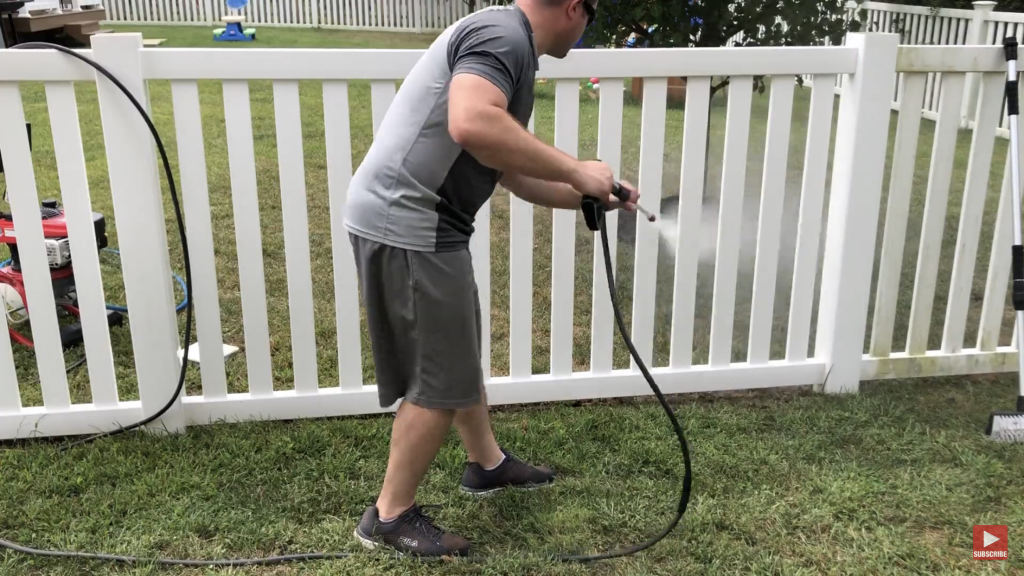
Environmental Factors That Damage Fences
Several environmental conditions contribute to fence deterioration.
Moisture and Humidity
Persistent moisture encourages mold, mildew, and algae growth. Wooden fences are particularly vulnerable because moisture can penetrate the wood fibers and accelerate decay.
Sun Exposure
Ultraviolet rays gradually break down protective finishes and cause fading. Long-term exposure can leave fences looking dull and worn.
Soil Contact
The lower sections of a fence frequently remain damp due to soil contact. This can contribute to staining, mold development, and wood rot.
Airborne Pollutants
Dust, pollen, vehicle emissions, and other contaminants settle onto fence surfaces, creating a layer of grime that becomes increasingly difficult to remove.
When combined, these factors can significantly reduce a fence’s lifespan and visual appeal.
What Professional Fence Cleaning Services Address
Professional fence cleaning involves much more than simply spraying water onto a surface. Effective cleaning targets contaminants that have become embedded within the material.
Typical services include:
- Surface dirt and debris removal
- Mold and mildew treatment
- Algae and organic stain removal
- Low-pressure and power washing techniques
- Surface preparation for staining or sealing
- Restoration of weathered fencing materials
A quality fence cleaner solution is selected based on the material being cleaned to ensure effective results without causing damage.
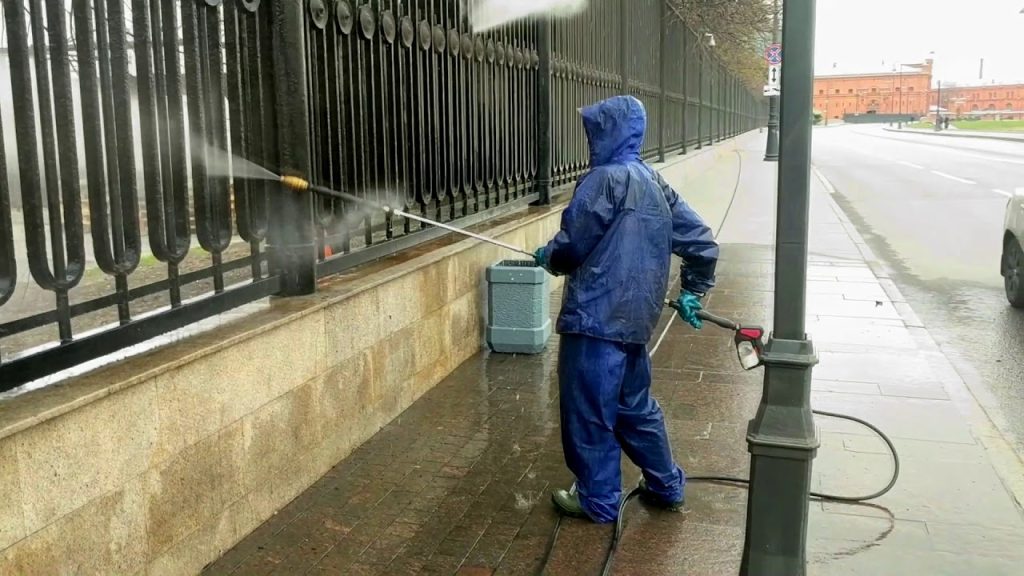
How Fence Power Washing Works
Fence power washing uses carefully controlled pressure to remove stubborn dirt, mildew, algae, and surface contaminants.
A professional cleaning process generally includes:
- Inspection of the fence material and condition
- Application of an appropriate fence cleaner
- Dwell time for the cleaning solution to break down contaminants
- Controlled pressure washing
- Thorough rinsing
- Final inspection and evaluation
Using excessive pressure can damage certain fence materials. Professional technicians adjust pressure levels according to the fence type, ensuring a safe and effective cleaning process.
Cleaning Methods by Fence Type
Different fencing materials require specialized cleaning approaches.
Wood Fence Cleaning
Wood is one of the most common fencing materials but also one of the most sensitive. Moisture, mold, mildew, and algae can penetrate deep into the wood grain.
Using a specialized wood fence cleaner helps eliminate biological growth while preserving the natural texture of the wood. Proper cleaning also prepares the surface for staining or sealing, allowing protective treatments to perform more effectively.
Routine wood fence cleaner applications can help extend the life of wooden fencing and maintain its natural appearance.
Vinyl and PVC Fence Cleaning
Vinyl and PVC fences are known for their durability and low maintenance requirements. However, they are not immune to dirt buildup, oxidation, algae stains, and environmental discoloration.

A professional pvc fence cleaner removes surface contaminants while restoring brightness and cleanliness without scratching the material.
Many homeowners specifically seek cleaning plastic fence solutions when their vinyl fencing begins to appear dull or stained. Proper cleaning plastic fence methods can restore the original appearance of the material while preventing long-term discoloration.
Metal Fence Cleaning
Metal fencing can develop oxidation, rust stains, and environmental buildup. Professional cleaning removes contaminants while helping preserve protective coatings and finishes.
Composite Fence Cleaning
Composite fencing resists rot but can still accumulate mildew and surface stains. Gentle cleaning techniques help maintain its appearance without damaging the composite material.
Maintained vs. Unmaintained Fence: A Comparison
| Aspect | Regularly Cleaned Fence | Neglected Fence |
|---|---|---|
| Appearance | Bright, consistent color | Stained, faded, discolored |
| Structural Integrity | Better preserved | Increased risk of deterioration |
| Maintenance Costs | Lower long-term expenses | Higher repair costs |
| Lifespan | Extended durability | Reduced service life |
| Stain & Seal Preparation | Ready for treatment | Requires extensive restoration |
Regular cleaning fence surfaces is a proactive investment that reduces future maintenance costs and extends fence longevity.
How Often Should Fence Cleaning Be Scheduled?
The ideal cleaning schedule depends on environmental conditions and fence material.
Factors that influence cleaning frequency include:
- Humid climates
- Heavy tree coverage
- Frequent rainfall
- Dusty environments
- Proximity to roads and traffic
For most residential properties, annual fence cleaning is sufficient. However, fences located in humid or heavily shaded areas may benefit from cleaning every six months.
Routine inspections can help determine the most effective maintenance schedule.
Practical Benefits of Fence Cleaning
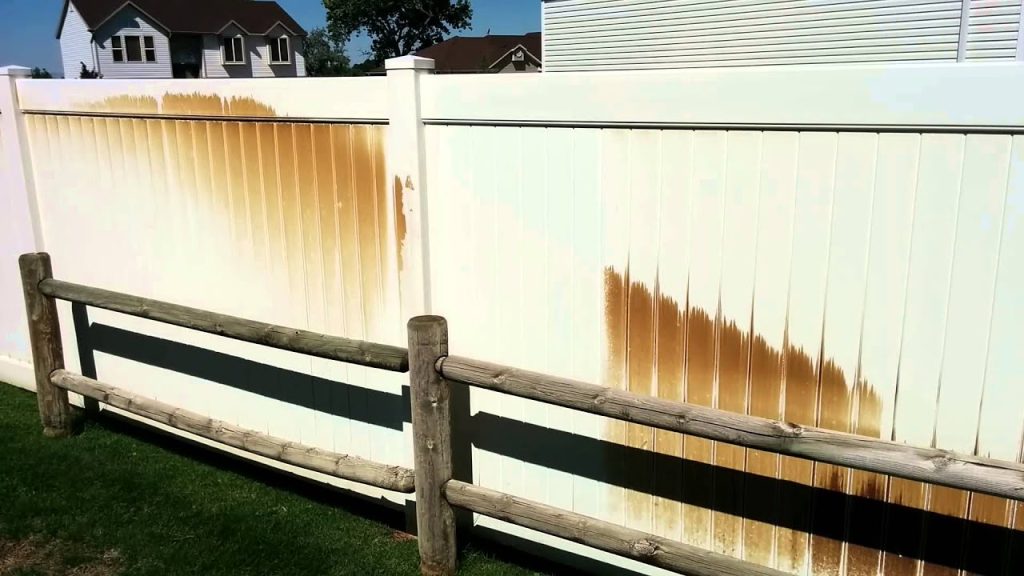
Regular fence cleaning provides numerous advantages beyond appearance.
Enhanced Curb Appeal
Removing stains, mildew, and discoloration instantly improves the overall appearance of the property.
Improved Material Protection
Cleaning removes contaminants that trap moisture and contribute to premature deterioration.
Reduced Repair Costs
Preventive maintenance helps identify and address issues before expensive repairs become necessary.
Better Performance of Protective Treatments
Whether applying stain, paint, or sealant, a clean surface allows coatings to bond more effectively and last longer.
Extended Fence Lifespan
Routine use of appropriate fence cleaner products and professional maintenance techniques can significantly increase the service life of fencing materials.
Signs Your Fence Needs Immediate Cleaning
Homeowners should consider scheduling professional service if they notice:
- Green algae growth
- Black mildew spots
- Dark streaking
- Heavy discoloration
- Dirt accumulation
- Fading finishes
- Surface oxidation
Addressing these issues early prevents contaminants from becoming deeply embedded and causing more extensive damage.
Frequently Asked Questions
What is the difference between fence washing and fence power washing?
Fence washing generally refers to surface cleaning, while fence power washing uses specialized equipment and controlled pressure to remove deeper dirt, mold, mildew, and stains.
Is power washing safe for wooden fences?
Yes. When performed correctly, power washing is safe for wood. Professionals adjust pressure levels and often use a specialized wood fence cleaner to protect the surface.
What is the best method for cleaning plastic fence surfaces?
Cleaning plastic fence materials such as vinyl typically involves applying a safe cleaning solution, allowing it to loosen contaminants, and then rinsing with low-pressure washing equipment.
Does a PVC fence require special cleaning products?
Using a dedicated pvc fence cleaner helps remove oxidation, dirt, and stains while maintaining the fence’s finish and appearance.
Can fence cleaning remove mildew permanently?
Cleaning removes existing mildew, but future growth can occur if moisture remains present. Regular maintenance helps minimize recurrence.
Should a fence be cleaned before staining or sealing?
Absolutely. Cleaning removes contaminants and prepares the surface, allowing stains and sealants to adhere properly and last longer.
Final Perspective
Fence Cleaning Services are about much more than appearance. They are an essential part of protecting outdoor structures from the gradual effects of weather, moisture, mold, and environmental contamination.
Whether you’re using a professional fence cleaner service, restoring a wooden fence with a quality wood fence cleaner, performing cleaning plastic fence maintenance, or applying a specialized pvc fence cleaner to vinyl fencing, routine care delivers long-term benefits.
Regular cleaning fence surfaces helps preserve structural integrity, improve curb appeal, reduce repair costs, and extend the lifespan of your investment. With a proactive maintenance plan, homeowners can keep their fences clean, strong, and attractive for years to come.